

Founder Stories
The Seat Formula: How Kylie Wade Left Netflix to Build Something That's Actually Hers
A tennis exhibition, a stranger's empty seat, and a framework Kylie Wade has used twice to leave careers she'd outgrown. Now she's using it to build a company that doesn't need her in every room.
By Emma Ayala June 2026 Johnson City, TN

In high school, Kylie Wade went to a tennis exhibition with nosebleed seats. Midway through the match, she watched a couple get up to leave from the front row. She turned to her coach and said, "people are leaving, we should try to go lower," then ran into the hallway and asked the woman for her tickets. The woman said her friends were leaving too, and they had even better seats. By the end of the night, Kylie was sitting courtside and shaking hands with Andre Agassi.
She's told that story on a TEDxJohnsonCity stage, and it's become more than a fun memory. It's the basis for a framework she calls the Seat Formula, and she's used it to make two of the biggest decisions of her career: leaving NFL Network for Netflix, and eventually leaving Netflix to build Organizing for Life, her home organizing company in Johnson City.

The formula has four steps: self-discovery, evaluation, action, and trust. It sounds simple. Watching Kylie actually live through it makes clear why most people stall out before step two.
Step One: Self-Discovery
The Seat Formula starts with a question. What seat are you currently sitting in? Kylie doesn't mean it literally — she means your career, your relationships, your role in your own life. Before you can decide whether to move, you have to know exactly where you're sitting and why you ended up there.
Kylie didn't grow up with an obvious entrepreneurial streak. No lemonade stand, no garage sale empire. She studied PR and marketing in college, moved to Los Angeles, and landed an internship at the Tennis Channel, the same sport that had already rewired how she thinks about taking opportunities. From there she worked her way into production and control rooms, then into a 9-to-5 at NFL Network as an associate producer.
Then came Netflix. Seven years inside one of the most demanding companies in tech, supporting massive engineering teams and building internal systems at scale. She got good at something specific there: figuring out how to answer a question once instead of fifty times, how to build a process that didn't depend on her standing over it. That's not a skill most people notice they're developing. Kylie did.
"My contributions there and what I built and what I was able to learn — things like how do I buy back my time by answering a question once — those are things that over time I was like, hey, I think I could do this."
Kylie Wade, Founder, Organizing for Life
A lot of the time self-discovery isn't dramatic. It's an accumulation of small evidence about what you're actually good at and what you actually want, sitting there waiting to be noticed.
Step Two: Evaluation
Evaluation is where most people get stuck. Does this opportunity align with your values, your talents, your goals? What excites you? Is this actually the right use of your time? Those questions are easy to ask and uncomfortable to answer honestly, especially when the thing you're evaluating is a job that's still going well on paper.
During COVID, Kylie and her husband moved from Los Angeles to Johnson City and bought their first home after years of renting. On maternity leave with her youngest, she had time, for the first time, to actually think about a space instead of just living in it. She started sharing it online. One day she posted a photo of her fridge.
"I swore I would never show my fridge. And then one day I did — and all of a sudden I'm the fridge picture girl. That's what took me from a fun little hobby to thinking, this could actually be something."
Kylie Wade, Founder, Organizing for Life

She grew that account to around 20,000 followers, started taking organizing jobs on the side, and priced herself at a rate that reflected the hours she was giving up. By January she'd landed her first whole-home booking and realized, immediately, she'd need a team if she ever wanted to leave that house and go home for dinner. You can still see what those early transformations looked like on the Organizing for Life project gallery.
All of this was happening while she was still at Netflix. And the evaluation question kept getting louder: was this still the right seat?
About six years into her time there, Kylie moved to a team closer to engineering. The work was interesting on paper, but the company kept reorganizing around her. New managers kept coming in to reinvent processes that had already been built and rebuilt before. She'd always been a top performer. Organization was the feedback she got, consistently. But success had stopped being something she could define, because the ground kept shifting under the definition. She gave it another year and a half before she let herself admit she wasn't lighting up anymore.
Step Three: Action
Action is the part of the formula that actually costs something. Kylie's version of it didn't happen on a stage or in a planned meeting. It happened on a team trip to San Jose, where she was helping onboard new engineers, work she genuinely found exciting, when she realized mid-task that she was done. She had an honest conversation with her manager about what wasn't working anymore. Her manager told her something that stuck: she lit up every time she talked about renovating a shed at her husband's grandmother's house, never when she talked about Netflix.
On the flight home, she got stuck overnight in Charlotte. She has a photo of herself the next morning in the same clothes from the day before, waiting at the gate after barely sleeping. She still looks at it sometimes.
"Do I want to build things for other people, or do I want to start building things for myself?"
Kylie Wade, Organizing for Life
She negotiated her exit from Netflix rather than just resigning, which gave her some financial runway. She later found out a fellow top performer from her old team had been let go in a round of cost-cutting not long after. That could have been her, on someone else's timeline. The negotiated exit meant her timeline was the one that mattered.
In January, she went full-time on Organizing for Life. She immediately started thinking about how to grow it, because seven years at Netflix had trained that instinct into her. She built out a CRM, set up automations, and brought on a business partner whose strengths filled in where hers didn't. They had a genuinely strong first year together.
But the differences in how they wanted to run things eventually surfaced. Kylie is a visionary, always ten steps ahead, wanting to rework systems and experiment with new ideas. Her partner was more focused on the present, on execution. Both instincts matter in a business. They don't always run smoothly side by side in a fast-moving service company with no time built in to pause and reconsider anything.
About a year ago, they ended the partnership. Kylie doesn't pretend it was easy. It was hard financially, personally, professionally. They're now competitors in the same market, which adds its own complications. Her advice for anyone facing the same decision: think ten years out before you give up equity, and plan the breakup before you ever need one. Hire for your weaknesses first, because that's usually what people are actually solving for when they bring on a partner, and there are other ways to solve for it that don't cost you ownership.
Step Four: Trust
The last step in the formula is the one Kylie says matters most when things don't go the way you planned. Trust that your self-discovery, your evaluation, and your action got you here for a reason, even when the new seat looks nothing like what you imagined.
She spent the year after the split rebuilding. New team, new systems, a renovated office in Johnson City so her people finally have a real home base instead of working out of her house. She's documenting her signature process, the kind of thing that's been living entirely in her head until now. Her ADHD diagnosis, which came around the time she left Netflix, reframed a lot of that work too. She started to understand why organization gives her energy, why her brain works the way it does, and how to build systems that work with the brain instead of against it, which is now baked into how Organizing for Life talks about its work with ADHD clients.
Trust is also what's letting her think past the next job and toward the next version of the business. Right now she's still boots on the ground, doing in-home work that pays the bills and that she genuinely loves. But she knows she can't be in every home forever if she wants to build something bigger than herself. She's moving toward a coaching model, building out digital revenue, and creating systems her team can run without her standing over every job. The goal isn't to disappear from the business. It's to have an actual say in where she spends her time.
MrBeast came to mind when we were talking about this, and it's a better comparison than it sounds. He built a brand through performance and then used that identity to launch products that sell without requiring him to film every single day. Once you have a real client base and a name people trust, the same move is available to anyone. Package what you know into something that runs without you standing next to it. It's the same question FoundersForge tends to bring up around the Startup Mountain Summit every fall: how a founder turns a working service into something bigger than the founder.
The Seat Formula, in Practice
- Self-discovery. Name the seat you're actually in right now, not the one you wish you were in. Be specific about your values, talents, and goals before you decide anything.
- Evaluation. Does the opportunity in front of you actually align with what you just named? What excites you about it? Is it the right use of your time and energy right now?
- Action. Have the hard conversation. Take the negotiated exit instead of the quiet resignation. Build the proof of concept before the leap, not after it.
- Trust. When the new seat doesn't look like what you pictured, trust that the first three steps got you somewhere on purpose. Ship the B-minus work. Keep moving.
Kylie went from a nosebleed seat at a tennis exhibition to courtside with Andre Agassi because she noticed an opening and asked for it. She used the same instinct to move from Los Angeles to Netflix, and from Netflix to a business of her own in Johnson City. She's not finished. She'll tell you that herself. But she knows exactly which seat she's working toward next, and she's not waiting for someone else to offer it to her.
Find Kylie and Organizing for Life on Instagram at @organizingforlife, or read what past clients have said on the Organizing for Life testimonials page.
Thinking About Making the Leap?
FoundersForge offers free coaching, mentorship, and programs like the Avante Startup Bootcamp for entrepreneurs across Northeast Tennessee.
Learn About the Bootcamp →Frequently Asked Questions
What is the Seat Formula?
The Seat Formula is a four-step framework Kylie Wade developed and shared in her TEDxJohnsonCity talk, based on a story about moving from nosebleed seats to courtside at a tennis exhibition. The four steps are self-discovery (naming where you currently are), evaluation (checking whether an opportunity aligns with your values and goals), action (taking the leap, including hard conversations), and trust (believing the first three steps led you somewhere on purpose, even when results take time).
How do I know when it's time to leave my 9-to-5 and start a business?
Kylie's advice is to start building on the side before you make any decision. Get real clients, collect reviews, build a small portfolio. When the side hustle is pulling more of your energy than your day job, and the revenue is starting to justify the switch, that's usually the signal. You don't have to be fully ready. You have to be honest about whether you're still growing where you are.
How do I negotiate leaving a corporate job to start my own business?
Kylie negotiated her exit from Netflix rather than just resigning, which gave her some financial runway to get the business off the ground without the pressure of zero income from day one. If you're a strong performer, there's often more room to negotiate a departure than people realize. Having an honest conversation with your manager about what isn't working can open that door, especially if you've already proven your value over time.
Should I get a business partner when starting a small business?
A business partner can bring complementary skills and shared accountability, but giving up equity is a serious long-term decision. Kylie recommends thinking three, five, and ten years out before formalizing anything. Are you aligned on what success looks like? And before you sign anything, talk through what a split would actually involve. Plan the breakup before you need it.
What does Organizing for Life do and how do I book a consult?
Organizing for Life is a professional home organizing company based in Johnson City, Tennessee, founded by Kylie Wade. The team works in-home with clients to design functional, maintainable systems tailored to how each family actually lives — from whole-home overhauls to specific rooms and high-traffic areas. You can browse past projects on the Organizing for Life website or reach Kylie on Instagram at @organizingforlife.
How do I scale a service business so it doesn't depend on me for everything?
The key is getting your process out of your head and into something your team can run before you scale. Kylie rebuilt her business with this as the core goal: documenting her signature process, building a dedicated workspace for her team, and identifying which parts of the client experience she needs to personally lead versus which parts a trained team member can own. Starting with digital products or a coaching model alongside service work can also extend your reach without requiring you to be present for every job.
Ready for another informative article?
Check out this selection below!
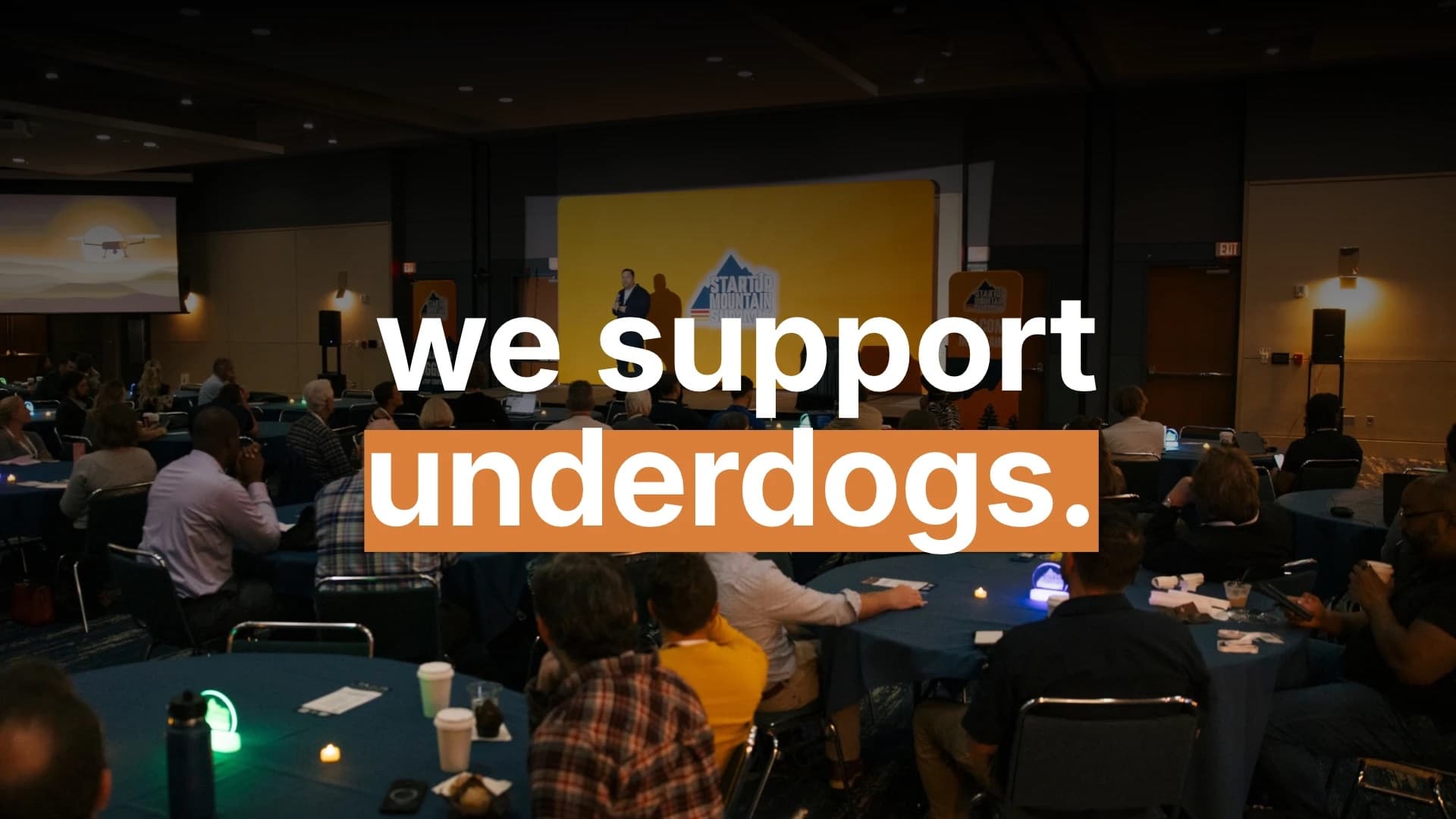
Long Live the Underdog: Why Northeast Tennessee Founders Are Built to Win
by Isaac Deel | Nov 5, 2026 | Blog
FoundersForge has always rallied around the idea of the underdog founder—a person who, despite a lack of resources and facing incredible odds, can build amazing things from the ground up.
Read More: Long Live the Underdog: Why Northeast Tennessee Founders Are Built to Win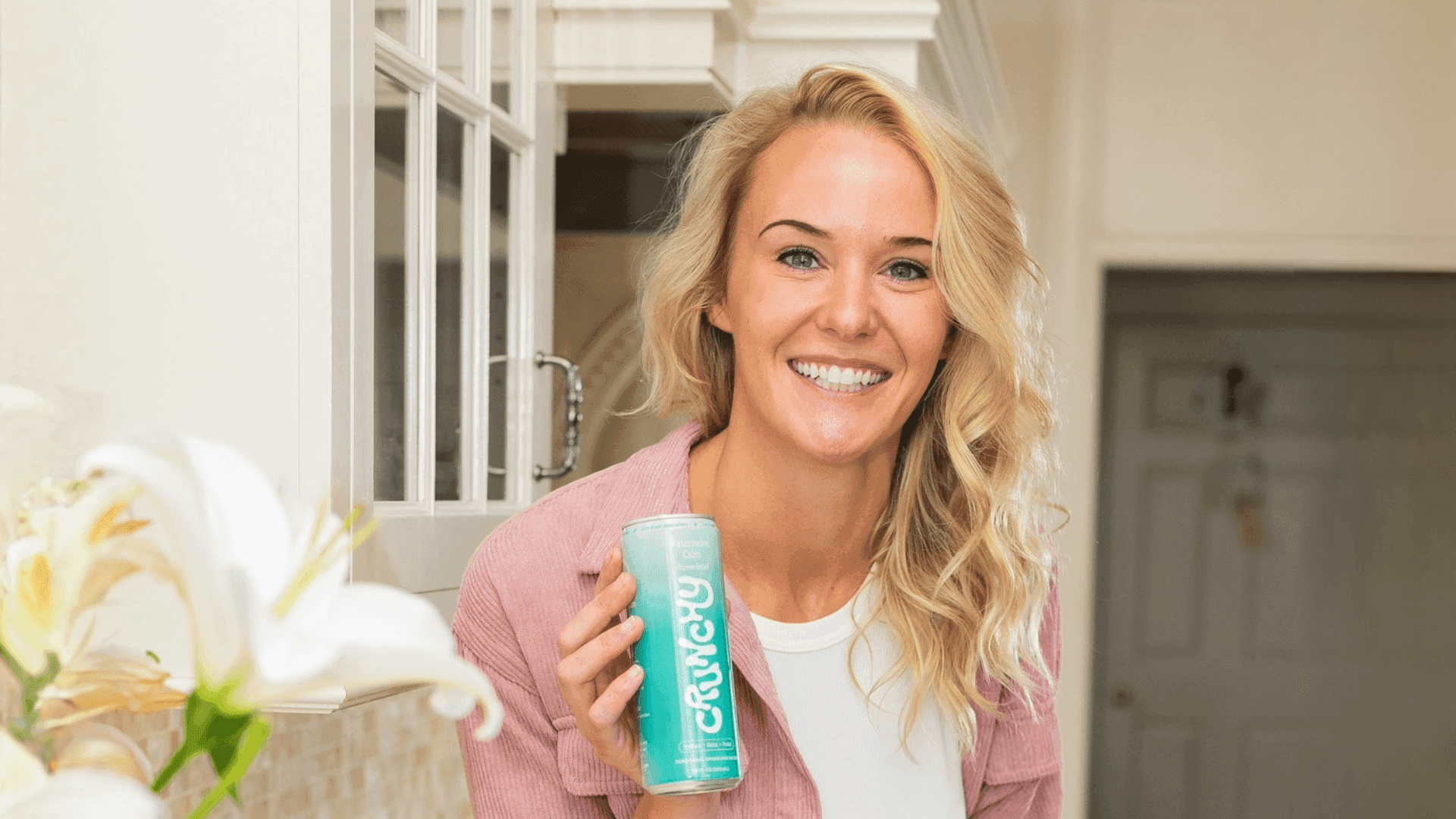

From Church Band Guitar to a Full-Time Music Career
by Emma Ayala | Jul 30, 2026 | Startup Advice
Trevin Sluss quit his day job three years ago with nothing but a guitar, a following, and a plan. Booked 29 times this July, he's running a one-person business, proof that entrepreneurship comes in all different shapes and sizes around here, from grocery stores to singing.
Read More: From Church Band Guitar to a Full-Time Music CareerLong Live the Underdog: Why Northeast Tennessee Founders Are Built to Win
by Isaac Deel | Nov 5, 2026 | Blog
FoundersForge has always rallied around the idea of the underdog founder—a person who, despite a lack of resources and facing incredible odds, can build amazing things from the ground up.
Read More: Long Live the Underdog: Why Northeast Tennessee Founders Are Built to WinFrom Church Band Guitar to a Full-Time Music Career
by Emma Ayala | Jul 30, 2026 | Startup Advice
Trevin Sluss quit his day job three years ago with nothing but a guitar, a following, and a plan. Booked 29 times this July, he's running a one-person business, proof that entrepreneurship comes in all different shapes and sizes around here, from grocery stores to singing.
Read More: From Church Band Guitar to a Full-Time Music Career