

Startup Advice
High Growth or Small Business? Here's the Real Difference
Not every business is supposed to become an empire, and not every business is supposed to stay small. Two Tennessee companies show exactly what each path looks like.
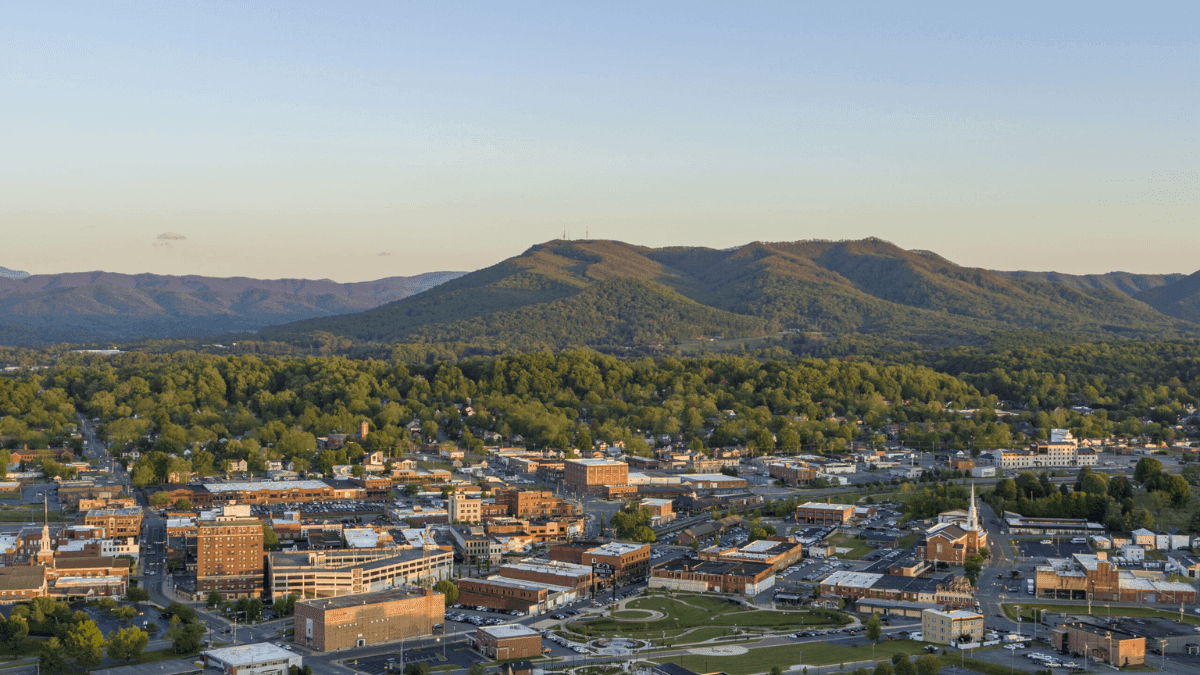
Every day, we log into our email here at FoundersForge and find a handful of messages asking the same thing: how do I get investment, what does that look like, can you help me find investors. And a lot of the time, the honest answer is that the business isn't even eligible for outside investment yet, and might not need to be.
FoundersForge actually started out focused only on high-growth startups. But the longer we did this work, the more we saw how strong the need was for small business support too, so that became just as central to what we do. Because of that, our advice is almost always the same: bootstrap as long as you can. The minute you take on an outside dollar of investment, you take on a lot more risk and a lot more responsibility, and that isn't the right fit for every business.
So let's talk about what actually separates a high-growth startup from a small business, using two Tennessee grown companies as the proof.
High Growth vs. Small Business
So what's the actual difference? A small business is built to be sustainable and profitable at a size the founder can manage themselves. A high-growth business is built to scale well beyond that, in revenue, reach, or production, whether that scale comes from outside investment or from reinvesting the business's own profit back into itself. Investment is a tool some high-growth companies use to move faster. It's not a requirement to count as high growth, and it's not a measure of which model is more legitimate. Both are real businesses. They just optimize for different things: control and steadiness on one side, speed and reach on the other.
Kylie Wade is a good example of what that second mindset actually looks like day to day. She thinks in terms of scalability from the start, building systems and processes designed to keep working whether she's in the room or not. That's the instinct that separates a business built to scale from a business built around one person's daily effort.
Small Business, Done Right: Lazy Lady Baking Co.
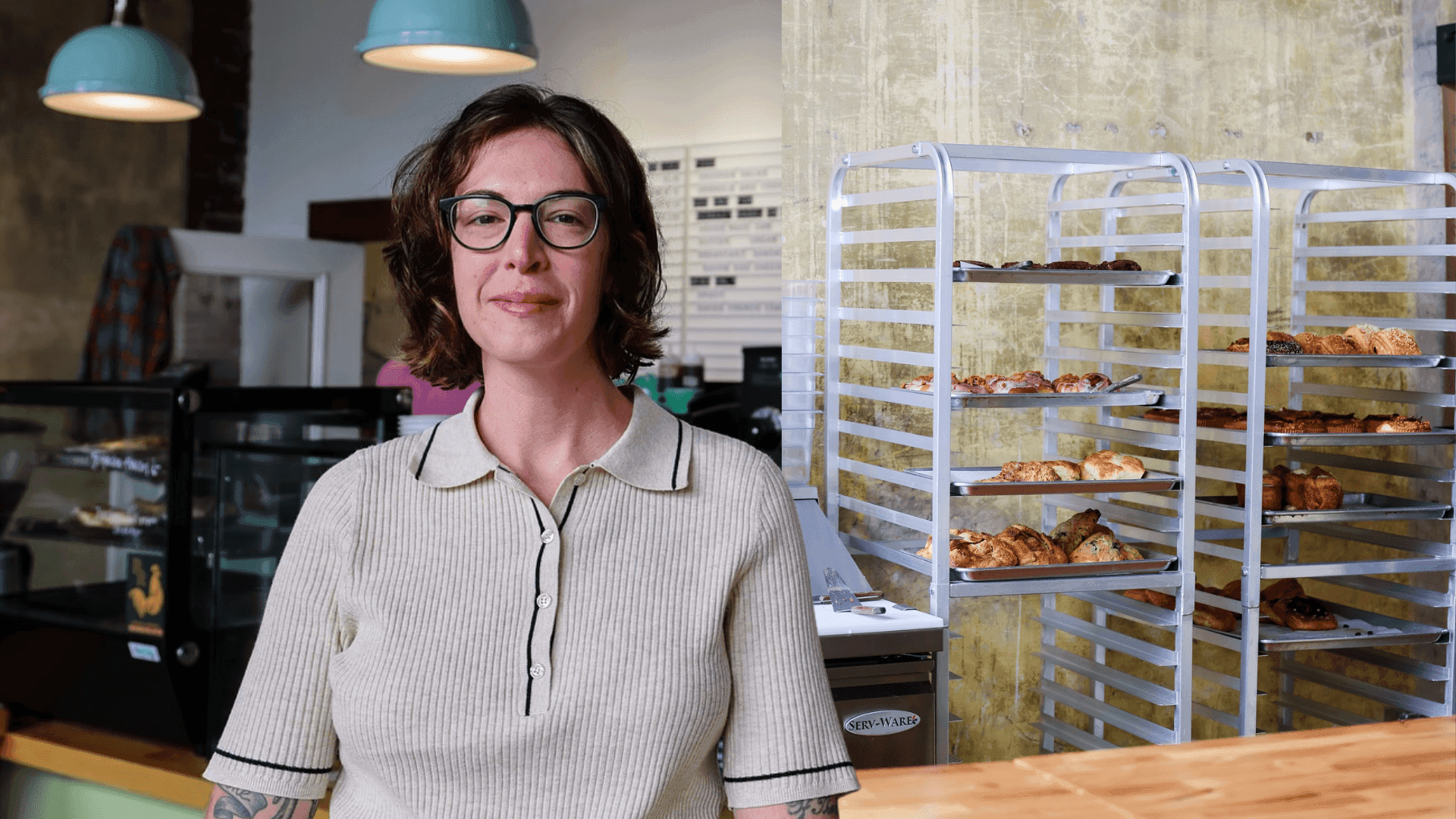
Maren Close started Lazy Lady Baking Co. in 2018 out of the Mountain Harvest Kitchen, selling pastries at regional farmers markets and wholesaling to local coffee shops. Four years later, she opened a retail storefront in downtown Johnson City. She's still the owner-operator, still sourcing from local farms and mills, and still building relationships with the producers around her rather than a national supply chain.
That's a small business, and it's exactly what a downtown needs. Lazy Lady didn't need outside investors to grow from a farmers market table to a real storefront with wholesale accounts across Johnson City, Jonesborough, and Bluff City. She grew it on her own terms, at a pace she could manage herself, and stayed rooted in the community that supported her from day one.
High Growth, Done Right: Bellhops
Now look at Bellhops, a Chattanooga company that started in 2011 with two Auburn University students helping classmates move in and out of their dorms. That's about as small and local as a business idea gets. But the founders built a tech-enabled logistics model for an outdated industry, and they went after outside investment to scale it. Chattanooga's own Lamp Post Group backed them first, then venture firms from California and New York followed with millions more.
That funding is what turned a dorm-move side hustle into a company operating in dozens of cities across the country, all while keeping its headquarters in Chattanooga. Bellhops needed capital to move fast, because scaling to dozens of cities can't be funded out of pocket. Scale at that speed is what makes outside funding an option in the first place.
High Growth Without a Dime of Investment: Dave Hatley

Dave Hatley started his first business at seventeen with no outside capital and no safety net. Today he's the founder and operator of LPI, a 740,000-square-foot manufacturing operation in East Tennessee and the number one hot tub manufacturer in the country. No investors funded that growth. He built it dollar by dollar, survived the 2008 financial crisis, and kept the jobs in East Tennessee the whole way through, adding employee-ownership and profit-sharing along the way instead of giving up equity to outside money. He shared that story on stage at our Startup Mountain Summit last year. High growth and bootstrapping aren't opposites. Dave proves you can scale from a single storefront to a national manufacturing brand entirely on your own terms.
High Growth, With Investment: Personality Pool

Lauren Glass Mullins is a different flavor of high growth. Personality Pool, the Tennessee tech startup she co-founded, did take outside investment to scale. But her startup journey didn't start with a term sheet. It started with Beds for Kids, where she learned to stretch every dollar and turn donated furniture and volunteer hours into thousands of deliveries a year, long before she ever pitched an investor. That's why Personality Pool taking investment doesn't look like the Bellhops story. She already knew the bootstrapping game cold, so the outside capital got layered on top of habits built the hard way, not used as a substitute for them.
Questions to ask yourself before you chase growth
- Do I want to run this business, or eventually sell it? Those are two different jobs, and one isn't better than the other.
- Would I take investor money if it meant giving up control? Be honest. A lot of founders say yes to funding and mean no to what comes with it.
- Is my market actually big enough for high growth? Some ideas are genuinely local, seasonal, or niche, and that's the whole point of them.
- What does "enough" look like for me? A number, a lifestyle, a level of stress you're willing to carry. Know it before someone else defines it for you.
When Growth Can Cost Your Mission
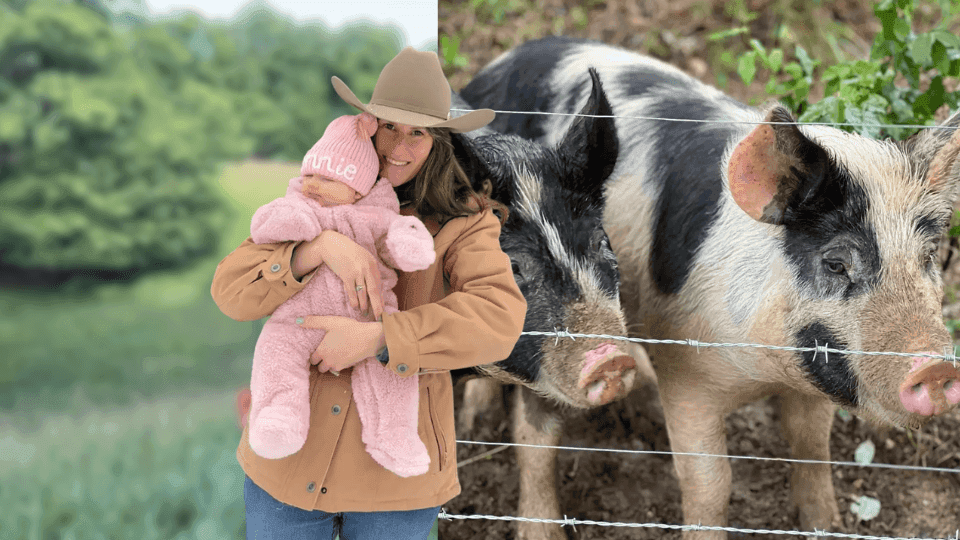
Scaling isn't free, even when it works. Turkey Feather Farm, one of our own Avante graduates in Dickenson County, Virginia, is a small business built on locally raised, small-batch food. If she scaled into wholesale chicken production for grocery chains, she'd be stepping into high-growth territory too, but she'd also be trading away the exact thing that makes her business hers. Starbucks is the bigger example of this. Their original mission talked about becoming the finest coffee purveyor in the world while holding onto their principles as they grew. Whether that still holds up today is something you can decide for yourself, but quality control gets a lot harder once a business has locations everywhere instead of one founder pouring the coffee themselves.
So look hard at your own mission before you decide which direction to grow in. Without the passion behind it, there isn't much of a business to scale in the first place.
Why Small Business and High Growth Need Each Other
None of this means one model beats the other. A local economy actually needs both, and neither one thrives on its own. High-growth companies need the small businesses around them just as much as small businesses need them. A company like Bellhops or LPI still needs somewhere for its employees to grab lunch, get their coffee, and spend a paycheck close to home, and that's Lazy Lady, not a national chain. Small businesses need high growth right back. A high-growth employer bringing hundreds of jobs into a county brings foot traffic, spending power, and stability that keeps every storefront on that same street in business.
That's why FoundersForge supports both paths instead of picking one. A healthy Main Street and a headquarters with a manufacturing floor aren't competing for the same win. They're both proof the local economy is working.
Not Sure Which One You're Building?
The Avante Bootcamp is built for founders in rural and underserved communities who want real mentorship, whether you're bootstrapping a small business or building toward something scalable. No equity, no fees, just people who want to see your business work.
Learn About Avante →Frequently Asked Questions
What makes a business a high-growth startup instead of a small business?
Scalability is the key factor. A high-growth startup can expand production or distribution well beyond the founder's direct, hands-on capacity, usually through manufacturing, wholesale, or a platform model. A small business typically stays tied to the founder's personal involvement and a local or regional customer base.
Why do investors only fund high-growth businesses?
Investors need a path to a large return, which requires a business that can scale well beyond its current size. A business capped by one founder's time or one storefront's foot traffic generally can't produce the growth an investor is looking for, no matter how profitable it is locally.
Do you need outside investment to become a high-growth business?
No. High growth means scaling revenue, reach, or production well beyond a single founder's hands-on capacity, and that can happen through outside investment or through reinvesting profit back into the business. Dave Hatley built LPI into the country's top hot tub manufacturer without ever taking outside funding.
Should I bootstrap my business or seek outside investment?
It depends on your business, your goals, and how much risk and control you're willing to trade. Reach out to our team at hello@foundersforge.com and we'll talk through your specific situation and whether outside investment is a good fit for you.
Can a small business grow into a high-growth startup?
Yes. Bellhops started as two college students helping classmates move dorm rooms before raising venture capital to scale nationally. Many businesses start small and founder-to-consumer, then shift into high growth once they build enough capacity to sell beyond their original customer base.
Does growing a business always mean sacrificing quality or mission?
Not always, but it's a real risk. As a business scales, the founder typically has less direct control over quality, and employees may not carry the same passion for the mission that the founder does. Staying intentional about mission during growth is possible, but it takes deliberate effort to protect.
Ready for another informative article?
Check out this selection below!

From Church Band Guitar to a Full-Time Music Career
by Emma Ayala | Jul 30, 2026 | Startup Advice
Trevin Sluss quit his day job three years ago with nothing but a guitar, a following, and a plan. Booked 29 times this July, he's running a one-person business, proof that entrepreneurship comes in all different shapes and sizes around here, from grocery stores to singing.
Read More: From Church Band Guitar to a Full-Time Music Career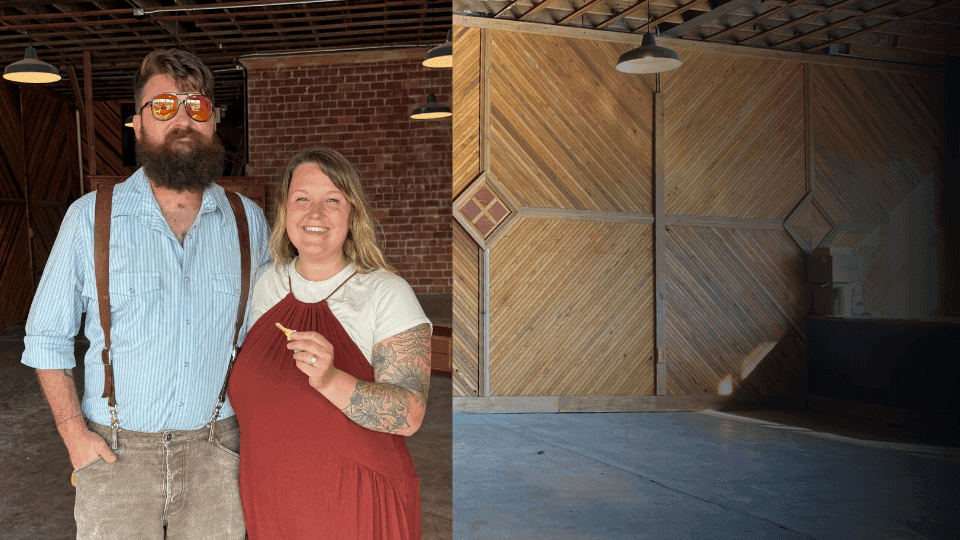
Wants You to Meet Your Farmer
by Emma Ayala | Jul 30, 2026 | Startup Advice
Ariel and Zach White are opening a bulk grocery store on W. Walnut Street, and they want you to walk out knowing whose hands grew what's in your cart, and how to actually use it.
Read More: Wants You to Meet Your FarmerFrom Church Band Guitar to a Full-Time Music Career
by Emma Ayala | Jul 30, 2026 | Startup Advice
Trevin Sluss quit his day job three years ago with nothing but a guitar, a following, and a plan. Booked 29 times this July, he's running a one-person business, proof that entrepreneurship comes in all different shapes and sizes around here, from grocery stores to singing.
Read More: From Church Band Guitar to a Full-Time Music CareerWants You to Meet Your Farmer
by Emma Ayala | Jul 30, 2026 | Startup Advice
Ariel and Zach White are opening a bulk grocery store on W. Walnut Street, and they want you to walk out knowing whose hands grew what's in your cart, and how to actually use it.
Read More: Wants You to Meet Your Farmer